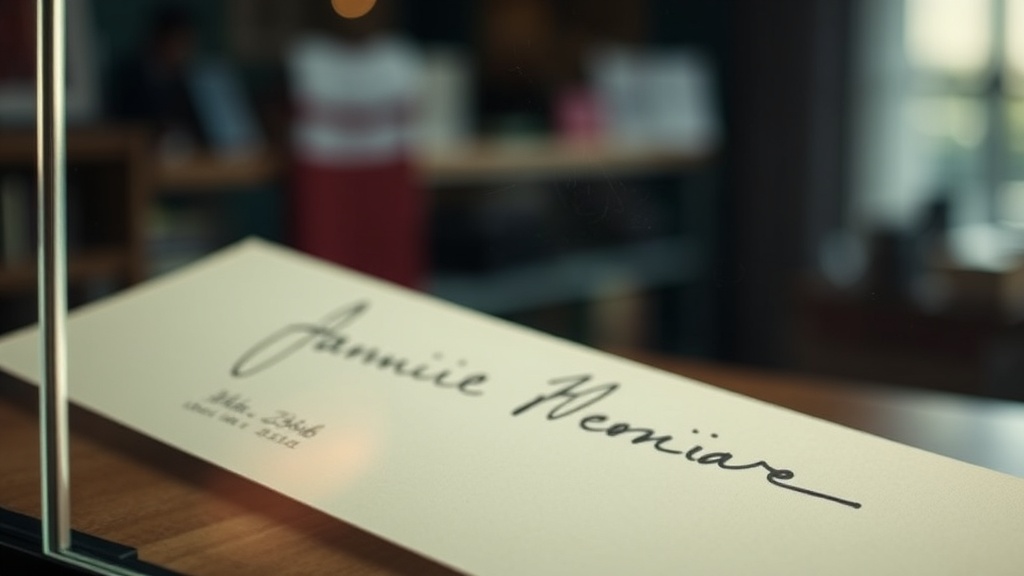
Why UV-Blocking Glass Is key for Autograph Preservation

Quick Tip
Always choose UV-blocking glass rated at 99% or higher protection when framing autographs to prevent irreversible fading and discoloration.
UV-blocking glass protects autographs from fading and deterioration caused by ultraviolet light exposure. Whether framing a signed baseball card or a vintage photograph, the right glass makes the difference between a display piece that lasts decades and one that yellows within months.
What Does UV Glass Actually Do for Autographs?
UV-blocking glass filters out up to 99% of harmful ultraviolet rays—the same light that fades ink, yellows paper, and degrades photographs over time. Standard picture glass offers no such protection. That signed Babe Ruth baseball card? Left in a regular frame near a window, the signature could start fading within two to three years. UV glass slows this process dramatically.
The catch? Not all "UV glass" is created equal. Conservation-grade glass (often called Museum Glass or Conservation Clear) blocks 99% of UV light. Regular UV glass might only block 60-70%. Here's the thing—you're paying for that extra protection, and for high-value autographs, it's worth every penny.
How Much UV Protection Does Framed Memorabilia Need?
Ideally, 99% UV protection or higher. The Northeast Document Conservation Center recommends UV-filtering glazing for all light-sensitive materials—including autographs, manuscripts, and photographs.
| Glass Type | UV Protection | Best For | Price Range (8x10") |
|---|---|---|---|
| Regular Picture Glass | 0% | Temporary displays | $3-8 |
| Tru Vue Conservation Clear | 99% | Valuable autographs | $15-25 |
| Tru Vue Museum Glass | 99% | Premium displays (anti-glare) | $30-50 |
| Acrylic UV (Optium Museum) | 99% | Large items, shipping | $40-80 |
Tru Vue dominates the conservation framing market—their Museum Glass virtually eliminates glare while providing maximum UV protection. Worth noting: acrylic UV options like Optium Museum Acrylic weigh less and resist shattering, making them ideal for large framed jerseys or items that need shipping.
Is UV Glass Worth the Extra Cost for Autograph Collectors?
Absolutely—especially for signed photos, vintage documents, or anything displayed in a room with natural light. The cost difference between regular glass and Conservation Clear is roughly $15-20 per frame. Compare that to the value of a faded signature (significantly reduced resale value, ruined display piece) and the math is simple.
For a collection displayed in a basement or interior room with zero windows? You might get away with standard glass—though incandescent and LED bulbs still emit small amounts of UV. That said, most serious collectors (myself included) default to UV protection regardless of placement. Light sources change, rooms get rearranged, and it's easier to build in protection from the start than to replace glass later.
Philadelphia's Philadelphia Print Shop has handled countless autograph restoration cases—many of them preventable with proper glazing. The shop recommends UV glass for any item over $100 in value or any piece with sentimental significance you plan to keep long-term.
One more consideration: UV glass pairs with acid-free matting and archival backing for complete protection. The glass blocks light damage; the matting prevents acids from aging the paper. Together, they create a microenvironment that keeps signatures crisp and paper stable for generations.
Bottom line? Skip the UV glass for cheap reprints and mass-market items. For authentic autographs—whether a $50 signed photo or a $5,000 historical document—invest in 99% UV-blocking glazing from a reputable manufacturer like Tru Vue. Future collectors (or your own future self) will thank you.